My mixed-use strata corporation had been operating with informal systems that were difficult to sustain as maintenance, communication, financial oversight, and governance needs grew. The building includes residential units and commercial units, which meant decisions had to balance owner, tenant, contractor, business, resident, council, and budget considerations.
Over multiple terms as Strata President, and later as the building’s on-site Building Manager, I helped bring more structure, transparency, and accountability to the way the strata operated. The work combined governance leadership with hands-on building operations: council coordination, owner communication, contractor management, budget planning, maintenance scheduling, legal and bylaw review, and practical troubleshooting.
Taking over a mixed-use strata with informal systems
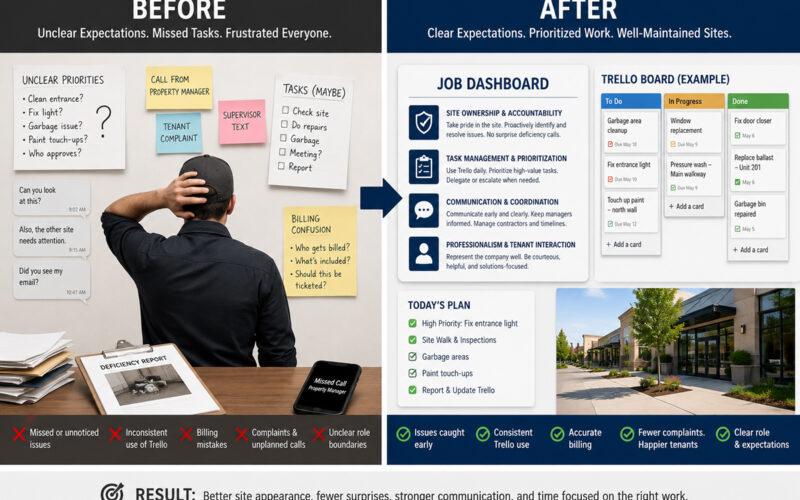
When I first became president, the building was self-managed and did not have enough repeatable structure to support clear decision-making, consistent maintenance, and owner confidence. Information was difficult to access, processes were informal, and council responsibilities depended too heavily on individual memory.
The challenge was to improve the way the strata operated without overbuilding the system. A small strata has limited funds, volunteer council members, and a mix of residential and commercial stakeholders, so the solution had to be organized enough to be useful and simple enough to maintain.
Building clearer governance and communication
I helped standardize the way council handled communication, records, contractors, budgets, meetings, and owner-facing decisions. That included clearer processes for monthly council work, AGM and SGM preparation, maintenance planning, contractor coordination, and owner communication.
To improve transparency during the self-managed period, I set up a dedicated email system and an owner-only website for notices, documents, updates, and communication. That became less necessary after the strata later transitioned to professional management, but it helped establish a more organized operating culture when the strata needed it.
I also created AGM and SGM packages and helped establish fairer, more transparent voting processes for building-wide decisions. The goal was to make council work easier to understand, easier to document, and less dependent on one person holding all the context.
Improving financial and maintenance planning
I rebuilt and managed financial tracking spreadsheets, supported annual budgeting, and used the depreciation report to inform short- and long-term maintenance planning. That helped connect governance decisions to building reality: what needed attention, what could wait, what should be budgeted, and what risks needed to be planned for.
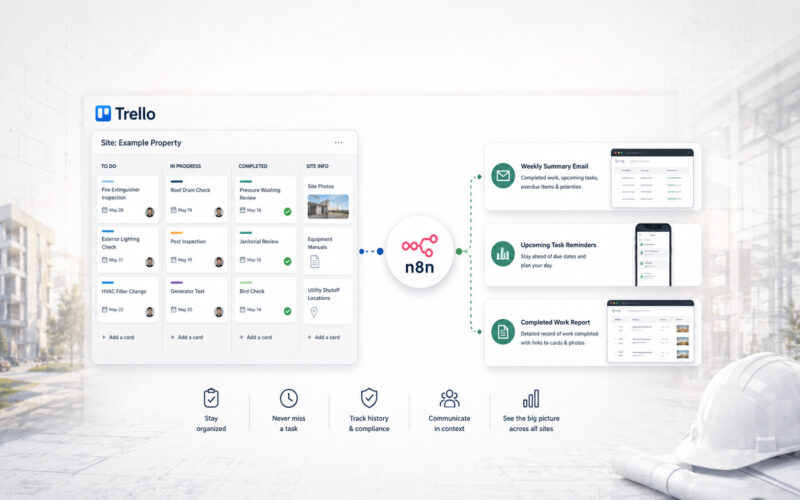
I also developed digital filing systems, owner communication templates, contractor records, maintenance schedules, and procedural references. Much of the operational information was organized in Trello so recurring tasks, contractor follow-up, and building knowledge had a clearer place to live.
During the self-managed period, I renegotiated waste management and elevator maintenance contracts, saving over $8,200 annually. I also initiated a lighting retrofit that saved approximately $600 annually and paid back in less than four years.
Coordinating contractors and building operations
On the operational side, I coordinated and supported a wide range of building issues, including plumbing failures, minor repairs, contractor access, maintenance follow-up, owner concerns, and general troubleshooting. I evaluated and coordinated contractors for building maintenance and capital work, while helping council understand what needed to be handled internally, what needed a contractor, and what needed professional review.
I reviewed bylaws, contracts, depreciation reports, insurance documents, legal correspondence, and Strata Property Act requirements to help council make more informed decisions and reduce risk. Where needed, I used CHOA and legal counsel as resources to support more reliable governance decisions.
Transitioning to professional management
After roughly three years of self-management, I helped transition the strata to a professional strata management company. The goal was not simply to hand off the work, but to leave behind clearer records, improved procedures, and a more financially disciplined operating structure so the transition would not erase the context that had been built.
Since returning to council, I have also taken on the practical role of on-site Building Manager. Because I am in the building and understand its history, owners, contractors, and recurring issues, I can often identify problems earlier, coordinate responses more efficiently, and help keep both contractors and the strata management company accountable.
Bringing it home
The result is a building operation with clearer records, better maintenance planning, stronger communication, more useful financial tools, and a closer connection between governance decisions and site reality.
The work took long-term stewardship rather than a one-time fix: bringing structure to a messy system, managing competing owner and tenant interests, improving accountability, and combining practical technical judgment with steady communication over time.