Music Made Visible: Partner Dance in Victoria
Helped support a small Brazilian Zouk-rooted partner dance community in Victoria through practice sessions, informal teaching, event support, music sharing, and a welcoming approach to learning.
Creative & Community
Designed a personal business card and identity system to make a broad mix of engineering, construction, design, communication, and practical problem-solving feel clear and connected.
I designed this business card as a compact expression of how I think and work. It was not just a place to put my name and contact information. It needed to communicate a broader professional identity: engineering, project management, construction, design, communication, systems thinking, and practical follow-through, without making the work feel scattered.
The central challenge was clarity. My work crosses different domains, so the card had to create a thread that tied them together. I wanted it to feel professional and capable, but still human, creative, and specific to me.
The logo combines my initials, R and C, with references to squaring the circle, the golden ratio, and a 3-4-5 triangle. Those references connect the identity to philosophy, mathematics, construction, and design. The geometry is not there as decoration; it reflects the way I tend to approach work: look for structure, understand the constraint, and find a practical path forward.
The sketched line quality was intentional. I did not want the mark to feel overly polished or sterile. The slightly drawn quality suggests thinking, iteration, and problem-solving in progress. It keeps the identity connected to the process of working through an idea, not only the final result.
The colour palette reinforces the same idea. The charcoal grey has a pencil-lead quality, which connects to sketching, drafting, and working something out by hand. The deep construction-gold adds warmth, value, and a practical built-environment association. The two-tone name treatment connects directly back to the logo so the initials and wordmark feel like one system rather than separate graphic elements.
The back of the card centres on the phrase “Make It / Make Sense.” I like the phrase because it carries two meanings at once. It speaks to making, building, and execution, but also to sensemaking, clarity, and communication. Separating the phrase into two lines turns a familiar expression into a simple statement of how I work.
The supporting line, “Design. Solve. Build. Deliver.” turns that philosophy into a process. It reflects the sequence I naturally bring to projects: understand the problem, design a response, solve the constraints, build the result, and deliver something that works.
This project is personal, but it supports the same idea as the rest of the portfolio. The card was a small physical object, but the design problem was the same kind of problem I often work on: make something broad and complicated clear enough that someone else can understand it, use it, and remember it.
Related
A few related projects with the same kind of problem-solving thread.
Helped support a small Brazilian Zouk-rooted partner dance community in Victoria through practice sessions, informal teaching, event support, music sharing, and a welcoming approach to learning.
Creative & Community
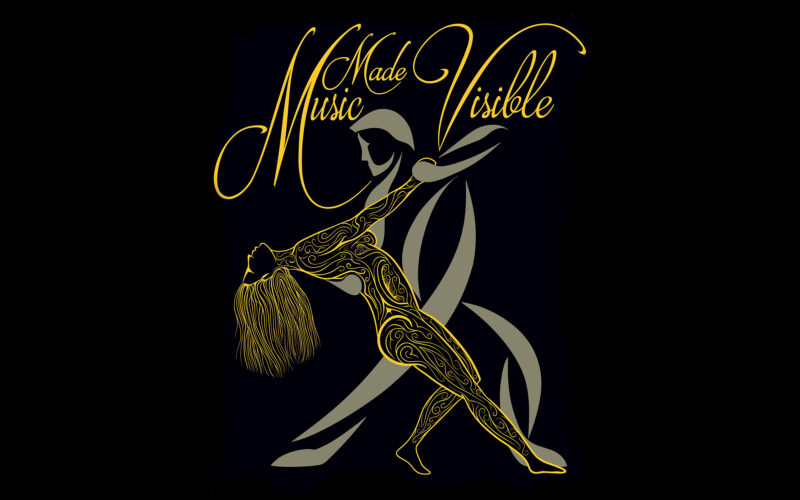
I help support a small Brazilian Zouk-rooted partner dance community in Victoria by organizing practice spaces, sharing what I have learned, and helping people connect more deeply with music, movement, and each other. For me, partner dance is not just about steps. It is a way of making music visible.
Built a Notion and Obsidian health knowledge system for workouts, exercise references, body-mechanics notes, and reusable long-term learning.
Digital Tools & Systems
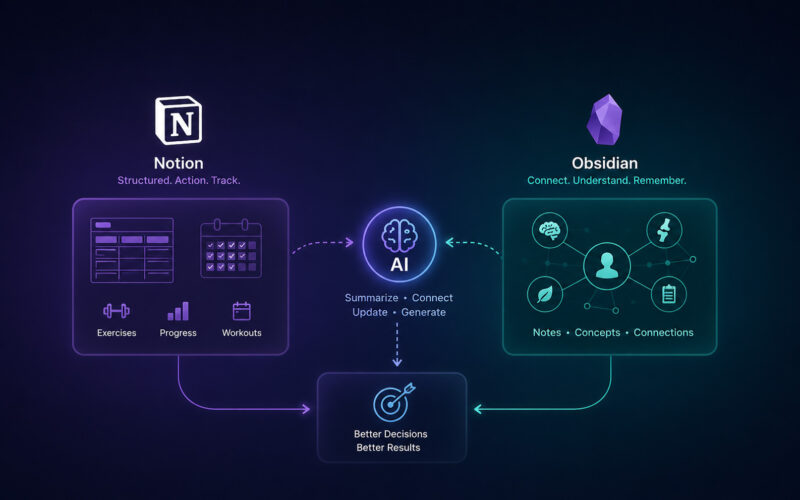
I built a personal knowledge and fitness organization system using Notion and Obsidian to make health, training, and body-mechanics information easier to capture, structure, and reuse. Notion became the structured database layer for workouts and exercise records, while Obsidian became the connected knowledge base for health, anatomy, movement, recovery, supplements, and body-mechanics notes.
The original trigger was a fitness challenge that provided an exercise schedule, but I wanted more than a static list of workouts. I wanted to track weights and reps, reuse exercises in future routines, attach notes, add links and videos, and build a system that could evolve as my understanding improved.
In Notion, I created a structured fitness database with separate areas for workouts and exercises. The exercise library acts as the stable reference layer, where each exercise can hold notes, links, videos, technique cues, and future updates. Workout routines can then reference those exercises without duplicating information.
In Obsidian, I use a separate health knowledge base for connected notes about the body, movement, recovery, supplements, and related concepts. The two tools serve different jobs: Notion handles structured tracking and reusable records, while Obsidian handles connected learning and reference material.
The application is personal, but the pattern transfers: identify the friction, design a structure, separate stable reference information from changing logs, and build a workflow that can improve over time instead of disappearing into scattered notes.
Turned a collaborative festival concept into a CNC-fabricated public installation with seating, storage, an interactive wall, volunteer power, and reusable assembly details.
Creative & Community
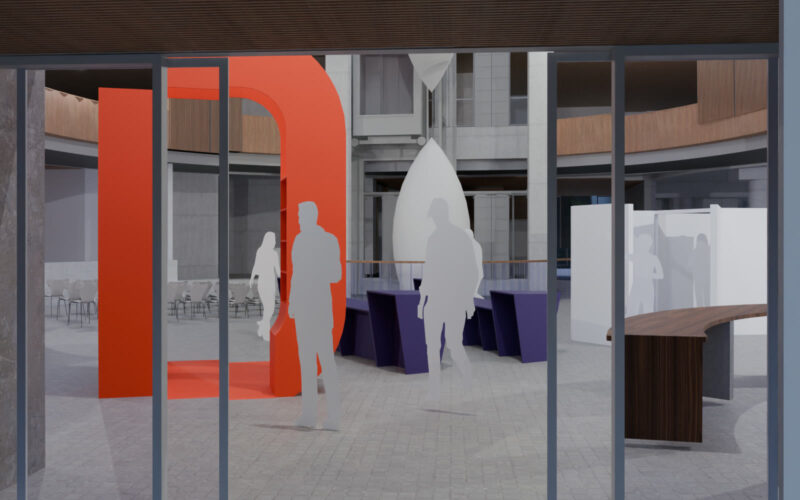
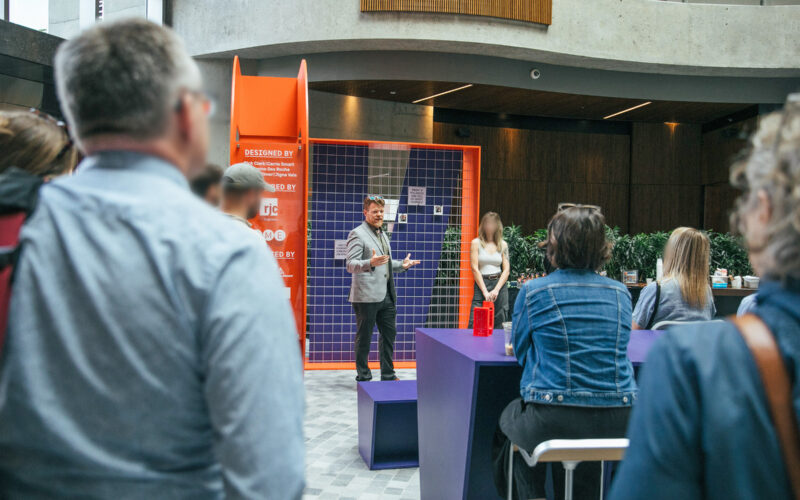
For the Design Victoria Festival's Meeting Point Co-Design Challenge, our team’s concept, The Big DV, was selected from six proposals and built into a full-scale public installation. I led much of the technical and fabrication work, turning the shared concept into a CNC-fabricated installation with seating, an interactive design wall, hidden storage, volunteer power, and a practical assembly and handoff plan.