Fridge circulation fan
Fixed a fridge freezing problem by using thermal imaging to find cold-air pooling, then adding a low-voltage fan on a custom 3D-printed bracket with a thermal switch.
Products & Devices
Designed a small 3D-printed magnet holder that used an unused door-reversal feature on a fridge to pull the door closed the last little bit, letting the gasket seal take over.
My fridge door would sometimes stop just short of closing fully. It was a small problem, but the result was annoying: the door could look almost closed while the seal had not fully taken over.
I considered a few possible fixes, including tipping the fridge back slightly, adding an alarm, or designing a retracting magnet mechanism. Those options would have added complexity or solved the problem after it happened rather than helping the door close properly in the first place.
The simpler answer came from looking more carefully at the fridge itself. I noticed an unused feature from the reversible-door design: a spot where the door hardware could have been mounted if the hinge direction were changed. That gave me a clean place to attach a small helper without modifying the main door or cabinet.
I designed and 3D printed a small holder for rare earth magnets. The magnets provide just enough pull to bring the door through the last bit of travel so the edge gasket can take over and seal the door normally.
It is a small project, but it captures a useful design pattern: look at the actual object, notice the features that are already available, and choose the simplest physical intervention that solves the real failure mode.
Related
A few related projects with the same kind of problem-solving thread.
Fixed a fridge freezing problem by using thermal imaging to find cold-air pooling, then adding a low-voltage fan on a custom 3D-printed bracket with a thermal switch.
Products & Devices
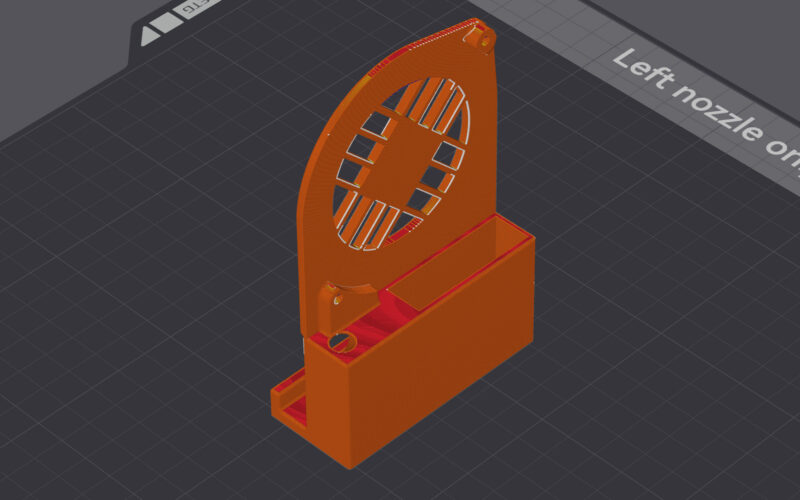
My Danby all-fridge was freezing food on the lower shelf while the rest of the fridge stayed at a normal temperature. Using a thermal camera, I found that cold air was pooling near the lower back of the fridge because the unit relies on natural convection rather than a built-in circulation fan.
The drain was clear, and everything else in the fridge seemed to be operating properly. I traced the problem to restricted airflow and added a small low-voltage fan on a custom 3D-printed bracket to gently circulate air through the cabinet. I also added a small thermal switch attached to the compressor, so the fan only runs when the fridge is actively cooling.
It’s a simple fix, but it solved a frustrating problem by understanding how the system was actually behaving and making a targeted improvement. Now I have no excuse not to eat my vegetables.
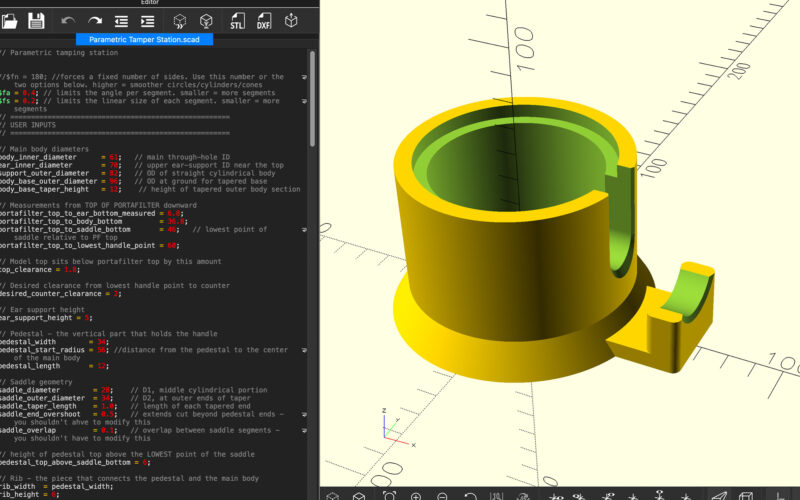
Designed two 3D-printed espresso tools: a flexible TPU puck ejector and a parametric tamper station sized around real portafilter dimensions.
Products & Devices
Designed small 3D-printed espresso tools for a bottomless portafilter: a flexible TPU grounds ejector and a parametric OpenSCAD tamper station. The ejector seals to the basket and uses air pressure to push spent grounds into the compost. The tamper station can be adjusted around real portafilter dimensions, such as basket diameter, ears, handle angle, saddle height, and counter clearance.
Developed and tested ocean-aquaculture prototypes, including an underwater tank-wall cleaner and a lower-cost oxygen diffuser redesign.
Products & Devices
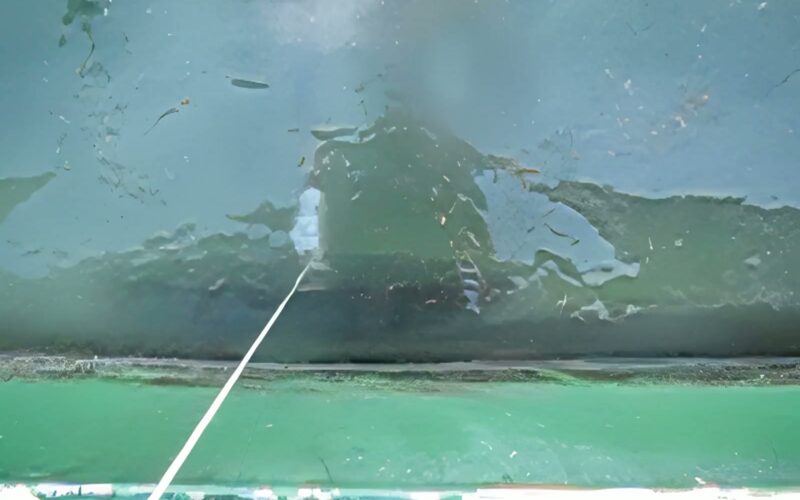
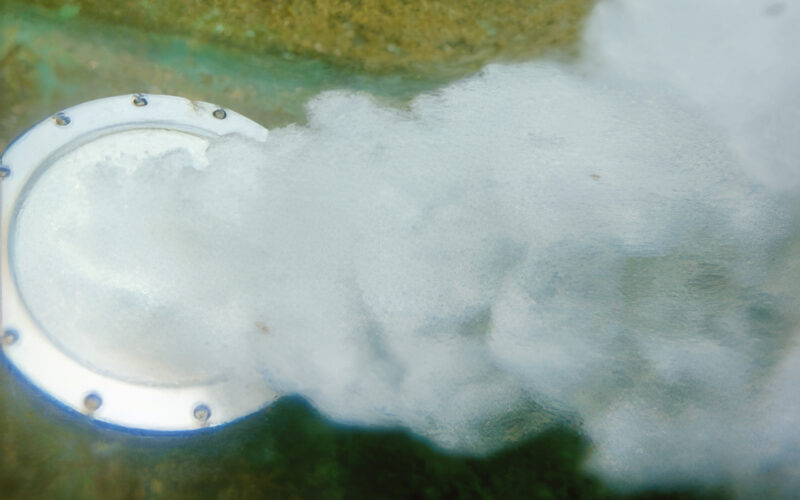
During an eight-month mechanical engineering co-op with AgriMarine, I contributed to early-stage R&D for a commercial-scale floating closed-containment aquaculture system. My work included prototype tank-cleaning equipment, oxygen diffuser redesign, testing, SolidWorks site modelling, and exposure to large-scale composite marine construction.